Olav Espen Mannseth
Product developer
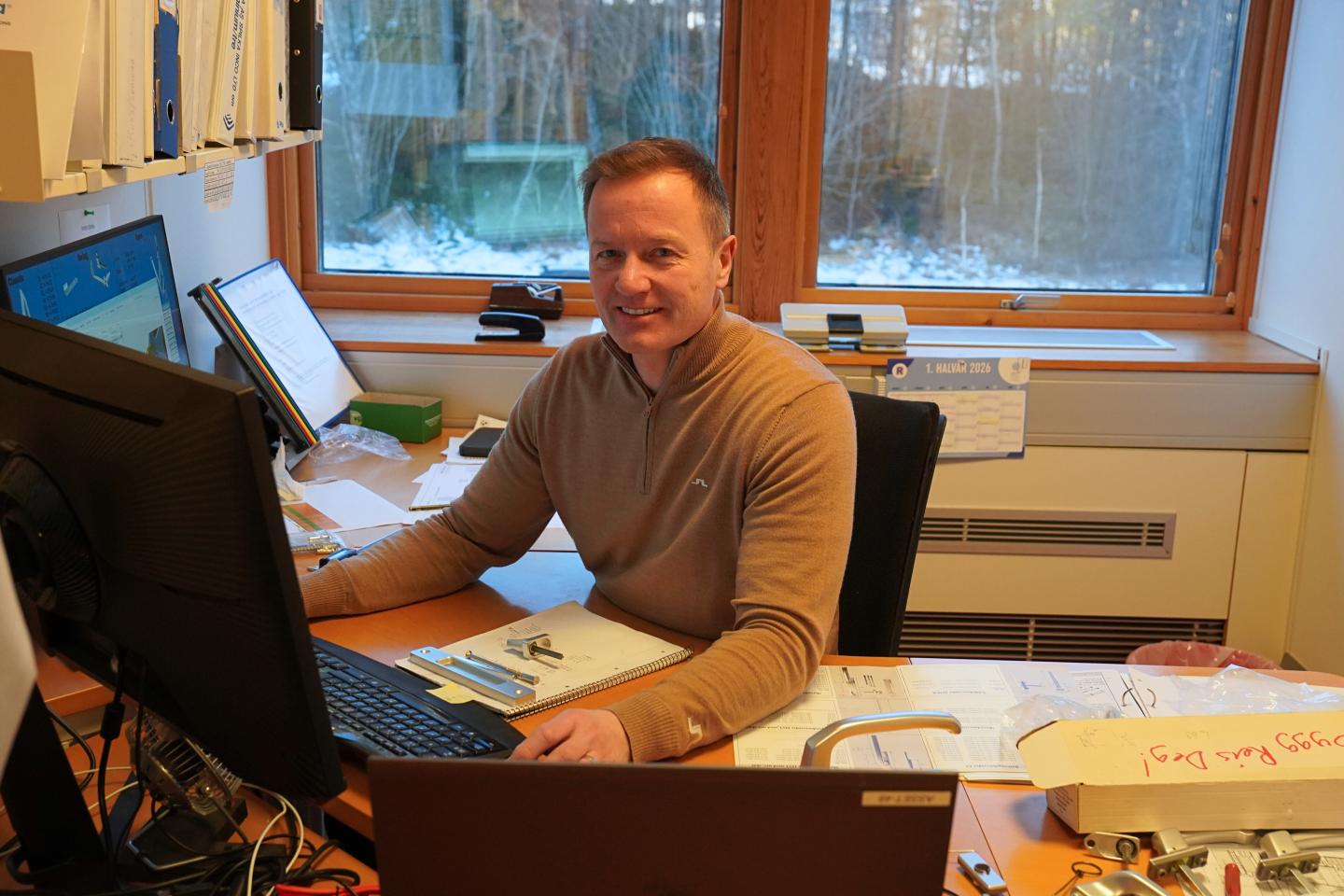
Meet Olav Mannseth.
He works as a product developer at Spilka. His path into the profession went through a three-year engineering program in mechanical design at the University College in Ålesund, which is now part of NTNU.
A workday that spans multiple areas
Much of his work focuses on product improvement and the development of new products, often based on customer needs or market requirements. This includes the entire process, from idea and concept development, through prototyping and testing, to follow-up when the product enters production, either internally or with subcontractors.
In addition, he provides technical support to both the sales department and customers, contributing with professional guidance in various contexts.
Another important part of his role is preparing and maintaining product catalogs, as well as staying up to date on applicable standards, building regulations, and other relevant product requirements.
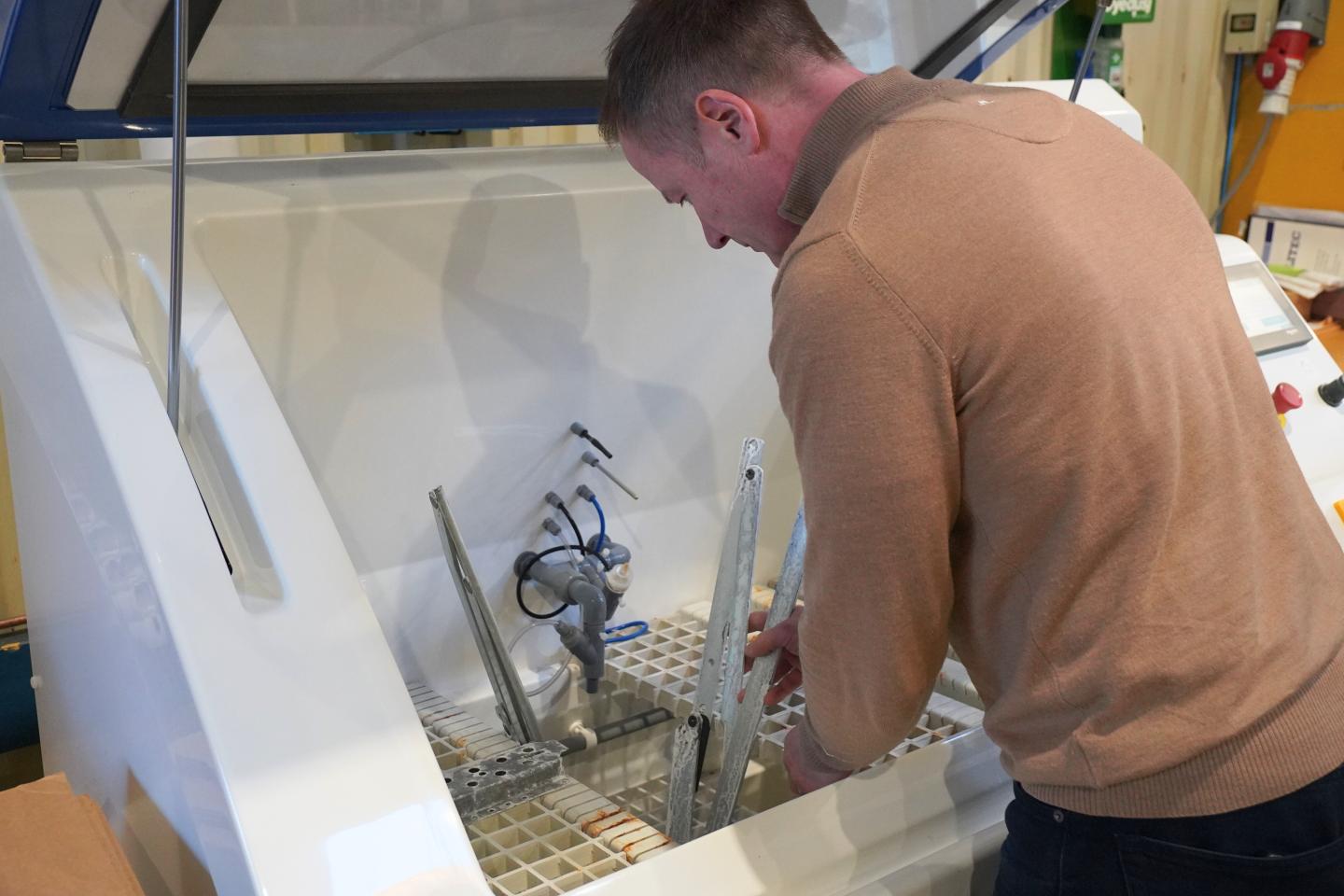
When it comes to skills and qualities, both creativity and precision are important in this role.
Since the development department is involved in the entire process of creating new products, from idea to finished product, he needs to be creative and have a holistic view during the early stages of projects. At the same time, accuracy and attention to detail are crucial as the product nears completion. At that stage, there are many details and tolerances that must be correct for the solution to work well in both production and the market, while still being delivered at a competitive price.
What motivates him to work at Spilka is the opportunity to solve problems for customers and the market, and to see ideas and solutions actually become finished products in the market.
He particularly enjoys working with concepts and ideas in the early phase of development projects, highlighting the short path from idea to prototype. This is made possible in part by a highly skilled tooling department that can quickly develop prototypes based on ideas from the development team.
In addition, he emphasizes the positive working environment as an important motivating factor. He describes Spilka as a place with talented and experienced colleagues, high professional competence, and a strong sense of camaraderie.
He experiences the value “We are one Spilka” as clearly present in everyday work.
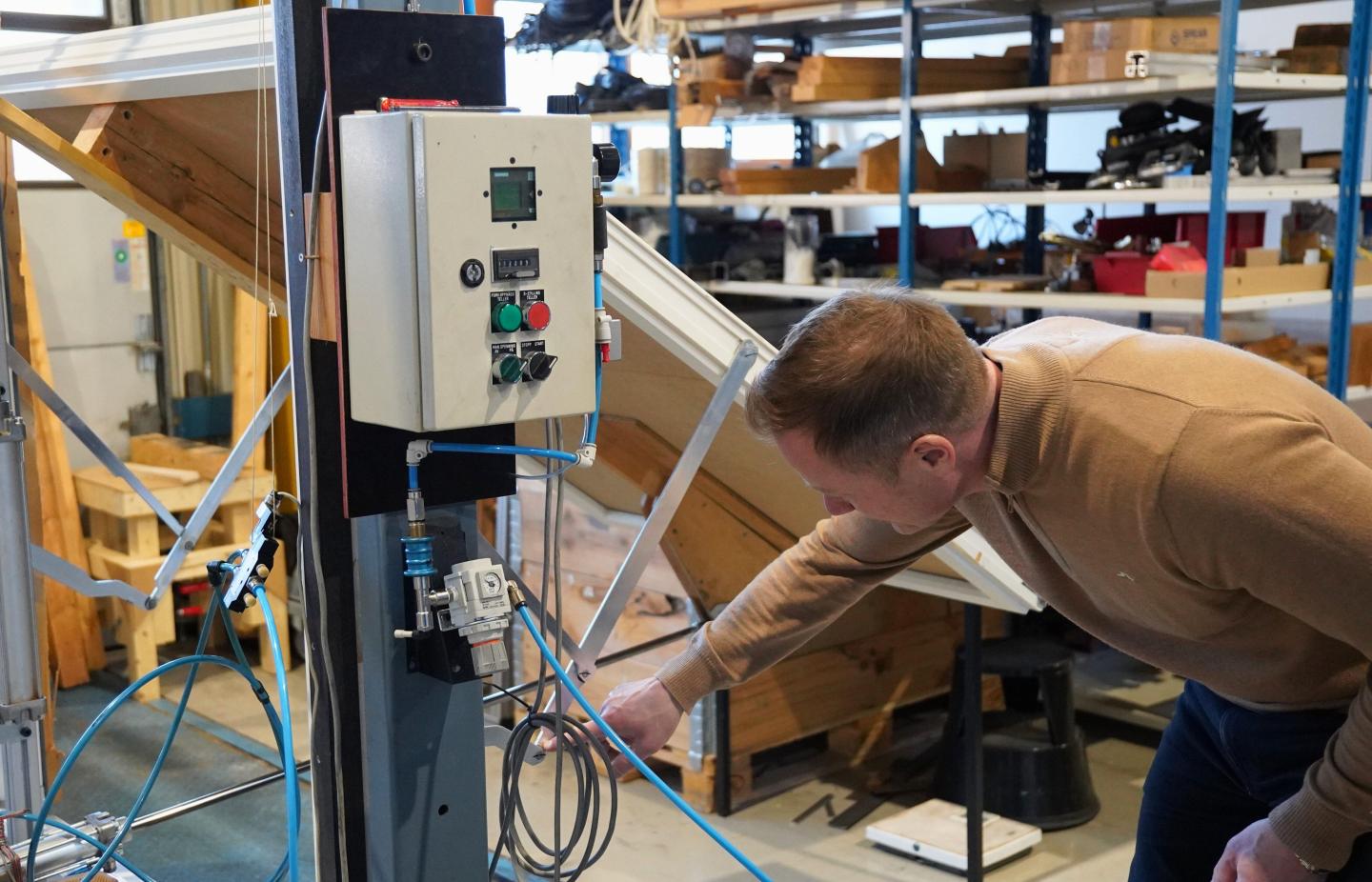
In conclusion, he highlights communication and collaboration as some of the most important lessons from the job.
Both internally and externally, it is crucial to understand the wishes, requirements, and needs of what is being developed, while also ensuring that solutions are properly designed with considerations such as production in mind. He also emphasizes the importance of dedicating sufficient time and resources in the early stages of development projects, as changes later in the process are often more challenging and costly.
For those considering a career in product development, he describes the field as both exciting and rewarding. Being involved in the entire journey from idea to finished product provides a great sense of accomplishment. At the same time, he believes it is important to be creative and playful during the idea and concept phase, while also being analytical and precise when the product is realized. Finally, he highlights patience as a crucial quality. Good products take time to develop, and quality requires space for thorough processes.